
RadCare Medical Services | Clean Those Leads

6 films about the contamination risks of lead aprons in real-world healthcare settings. Backed by research and frontline voices, they make one thing clear: It’s time to clean those leads.
Services
Campaign strategy
Platform distribution (including socials and influencer)
Audience insight and segmentation
Campaign creative and concepts
Film and video content
Diagnosis
Every day, across every department where radiation is used, healthcare professionals put on a lead apron to protect themselves, and have no idea what's living on it.
Lead aprons are one of the most consistently overlooked objects in clinical infection control. They're worn for hours, shared between staff, wiped down at the end of the day. And almost never properly cleaned. Research shows that a used lead apron can carry significantly higher bacterial loads than a toilet seat. Many harbour MRSA, staphylococcus, and other pathogens that simple wipes cannot remove, because biofilms require professional-grade cleaning to break down.
RCS came to us with a dual challenge: raise awareness of a problem most people had never thought about. And grow the market for their professional lead apron cleaning and inspection service. The campaign also needed to navigate a strategic reality: RCS's competitive advantage lies in deep cleaning, which is harder to commoditise than integrity checks alone. The campaign had to own cleanliness as the urgent, non-negotiable issue before competitors could define the category on their own terms.
Pre-procedural planning
The audience challenge was the most interesting part of the brief. The people who buy lead apron services (Radiology Directors, surgical leads, hospital procurement) are not the people who feel the problem, they either own their own leads or don’t wear them. The people who feel it every day (cath lab nurses, radiologic technologists, OR staff) wear shared leads, have no budget authority and, until now, no particular reason to push the issue upwards.
Our strategic insight was to flip the communication model. Rather than talking to buyers about compliance and cost, we would talk to wearers about disgust and self-respect. If we could make the problem visceral enough to the people closest to it, they would create the internal pressure that no amount of LinkedIn advertising to Directors of Radiology ever could.
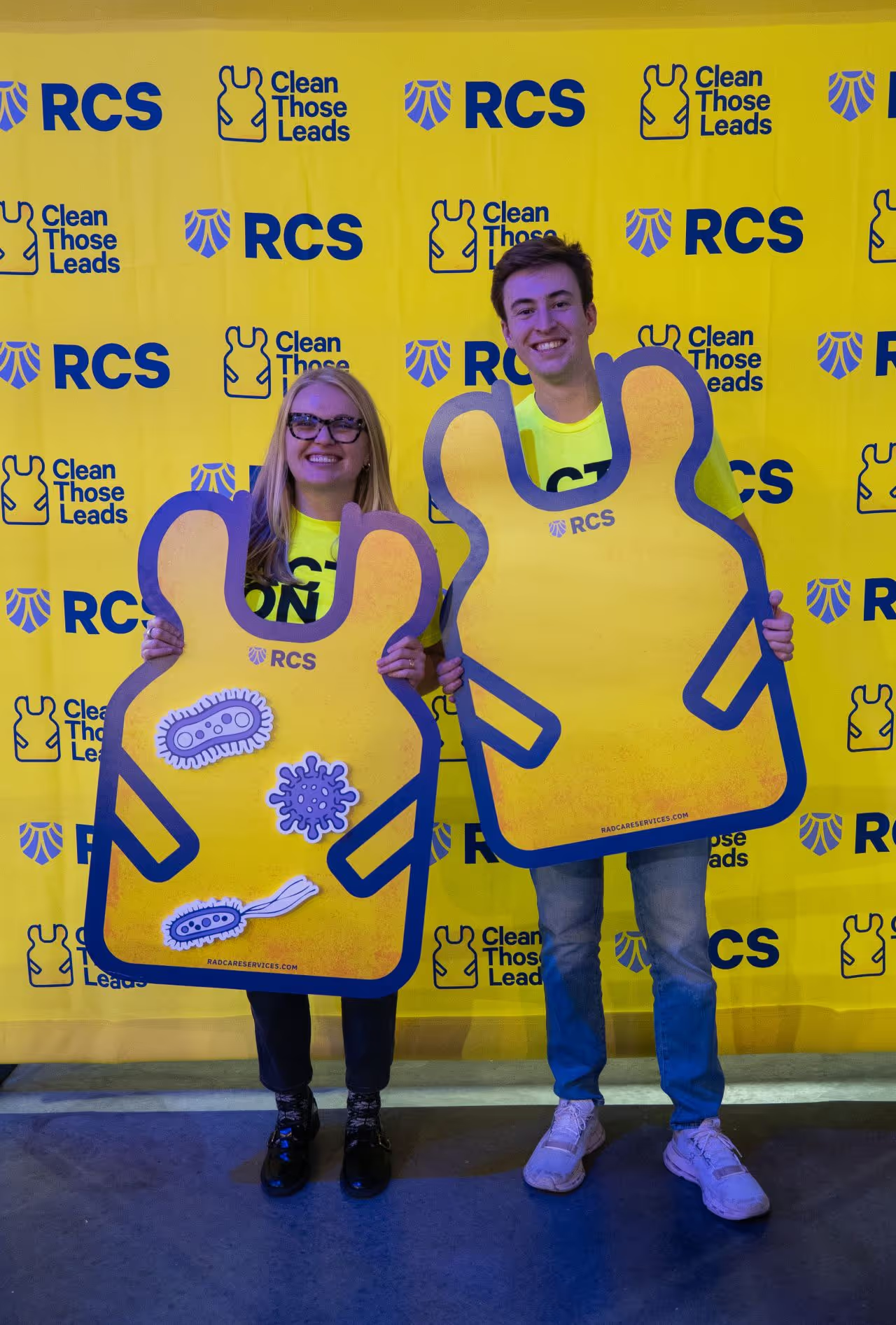
The campaign strategy was built on a simple idea: make the invisible visible. Show people what is actually on their apron. Make them unable to unsee it. And then give them the language and the tools to do something about it.
The procedure
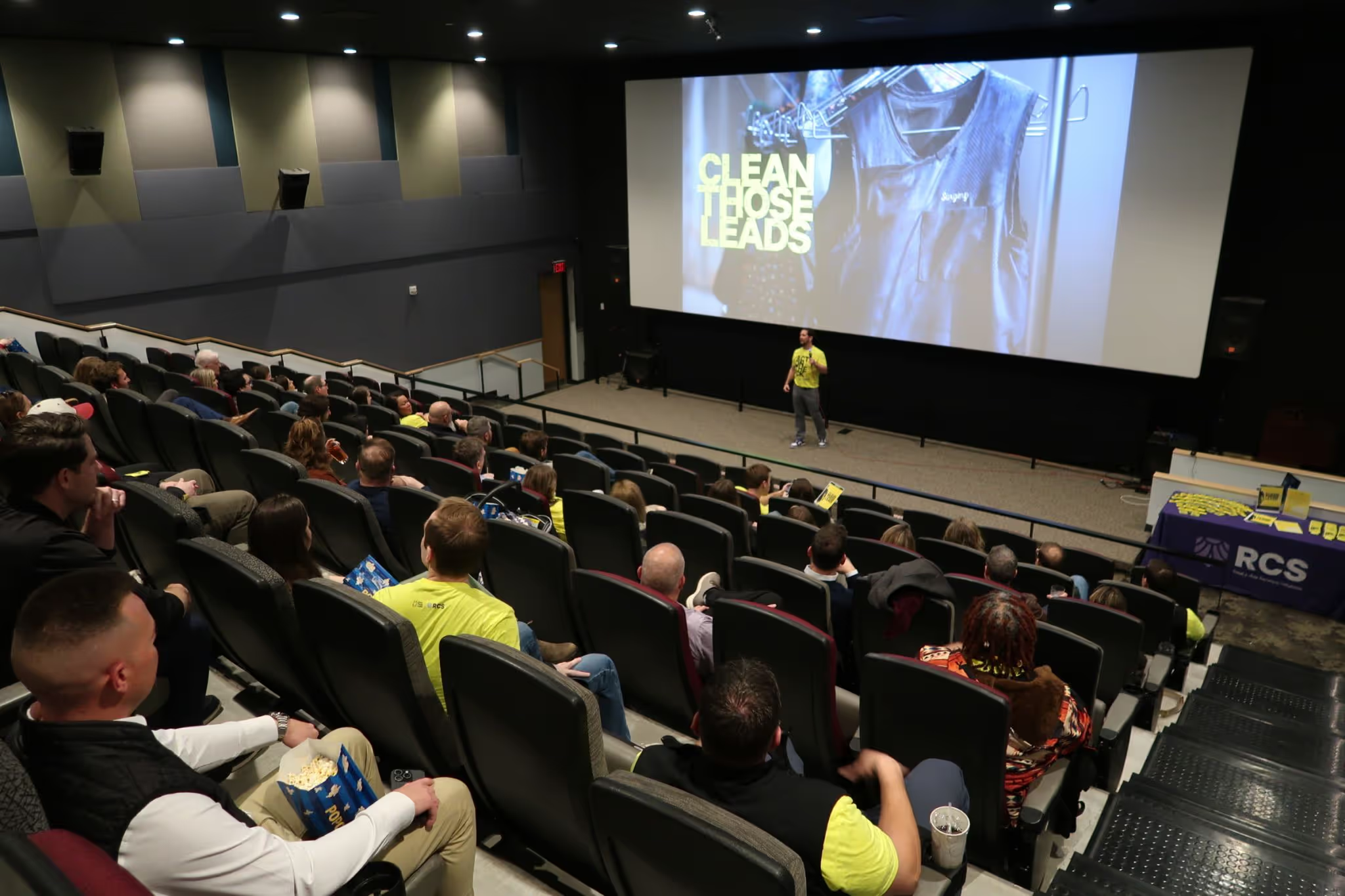
The campaign launched on a dedicated microsite cleanthoseleads.com built as the long-term home for everything RCS stands for on lead apron hygiene. It houses the films, the evidence, and the calls to action for each audience segment.
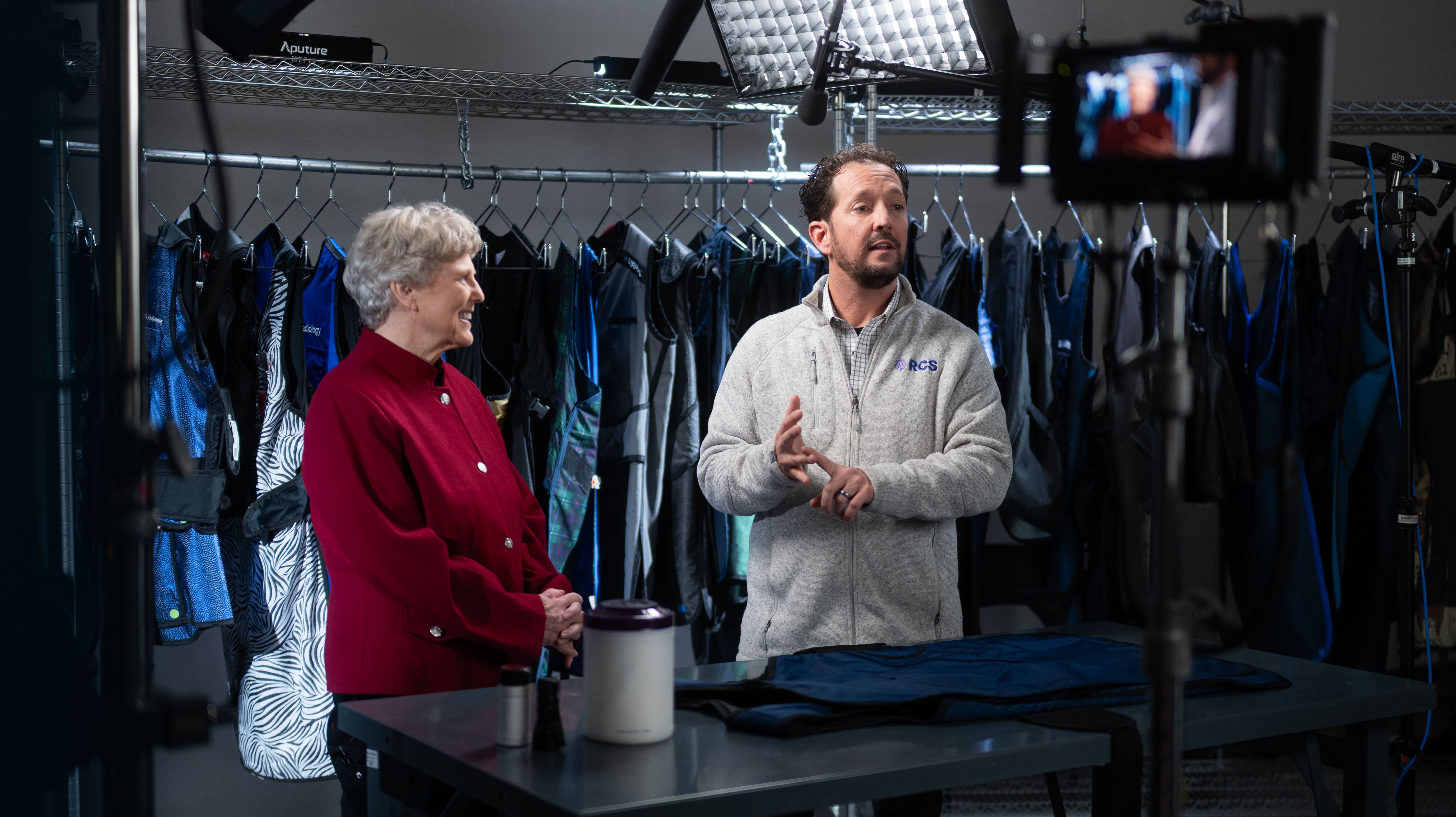
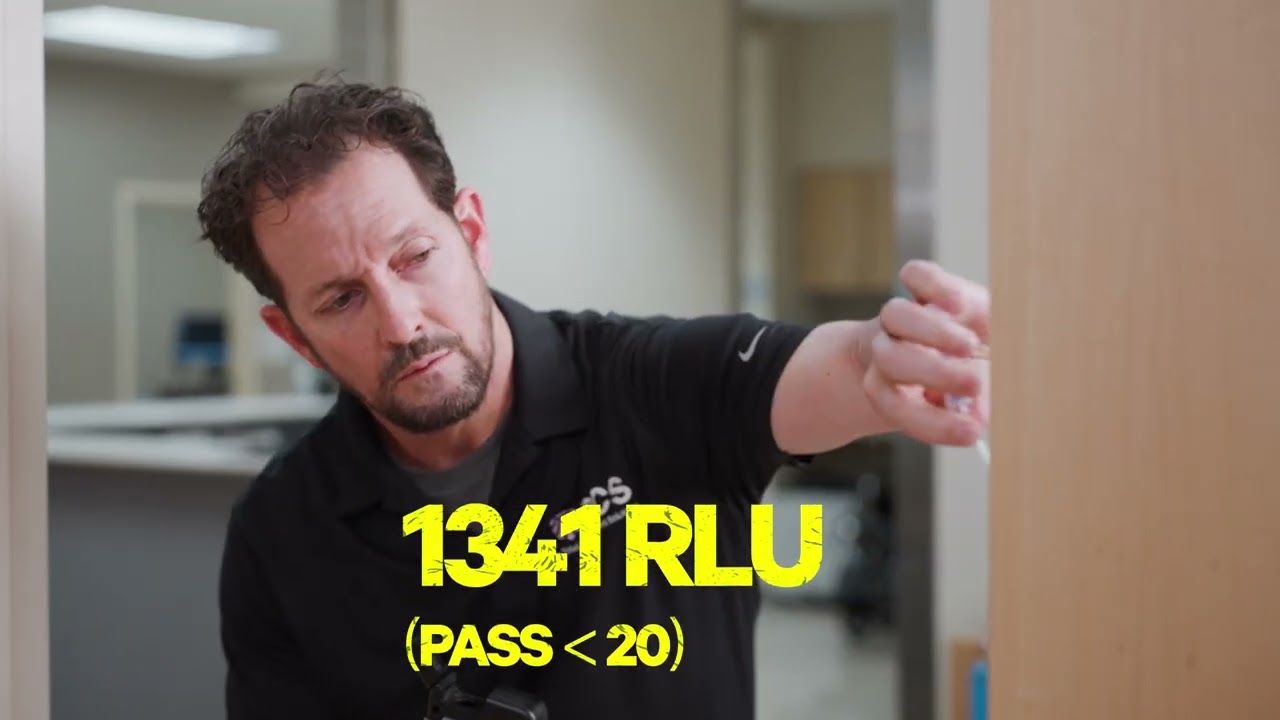
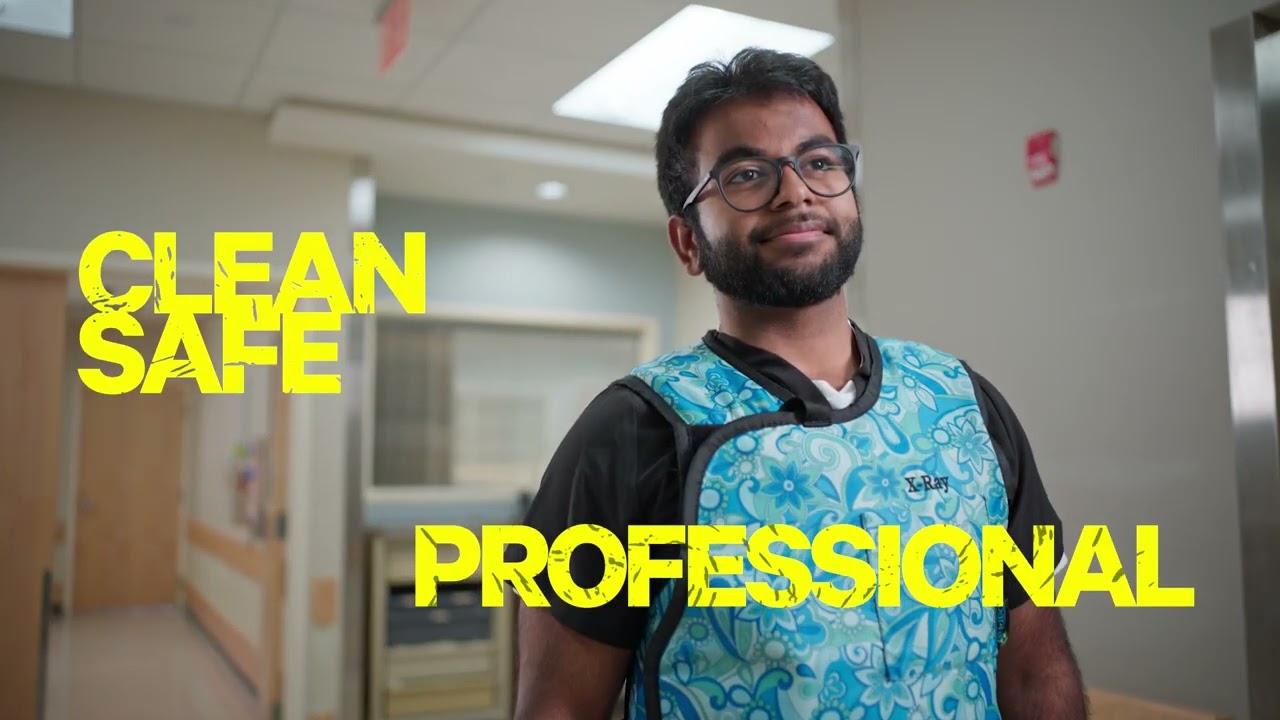
We produced six short films, structured as an escalating story. The first introduced the problem through RCS founder Justin Mackay walking the halls of a hospital with an ATP reader, swabbing doorframes, mobile phones, bed rails, before culminating in swabbing a lead apron hanging on a rack. The apron won. By a significant margin.
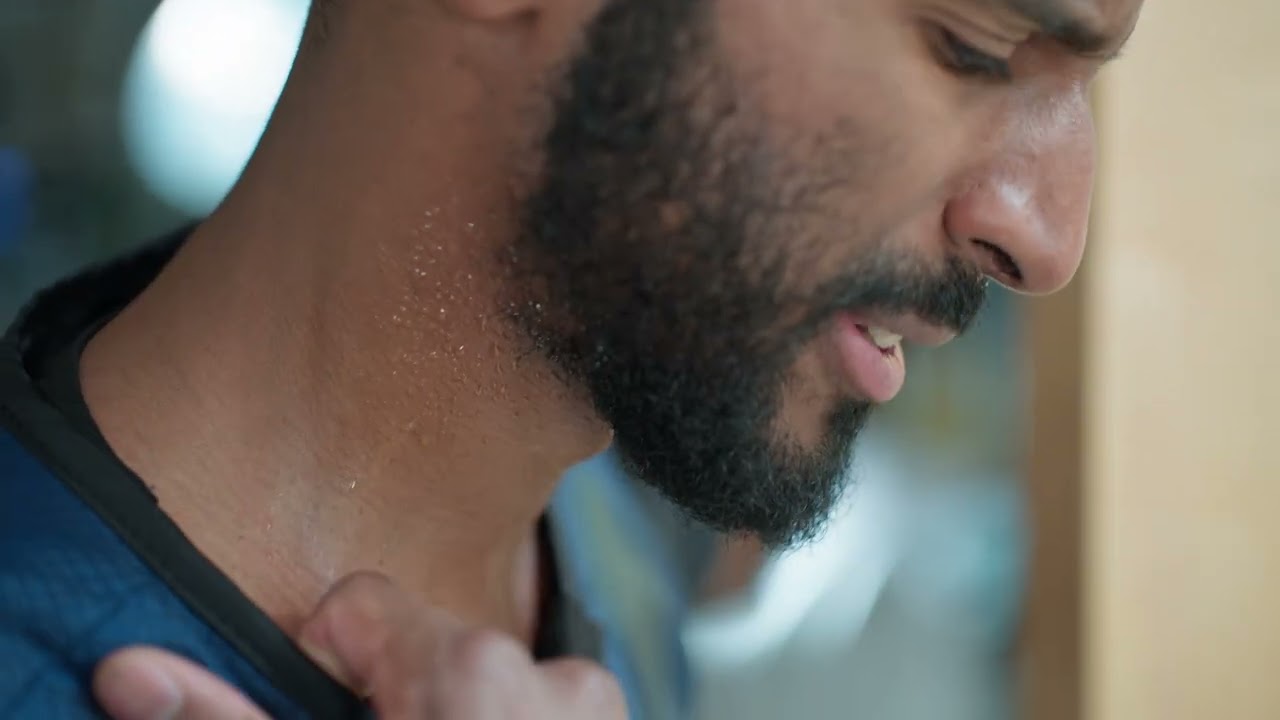
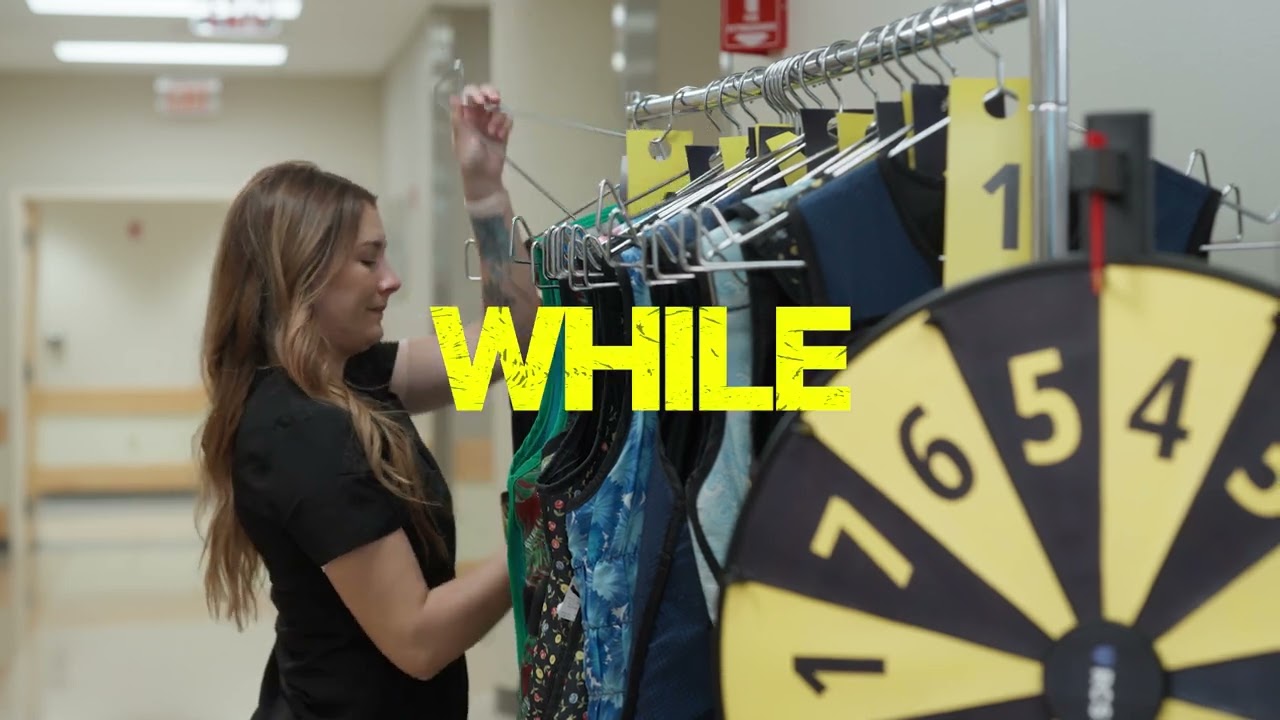
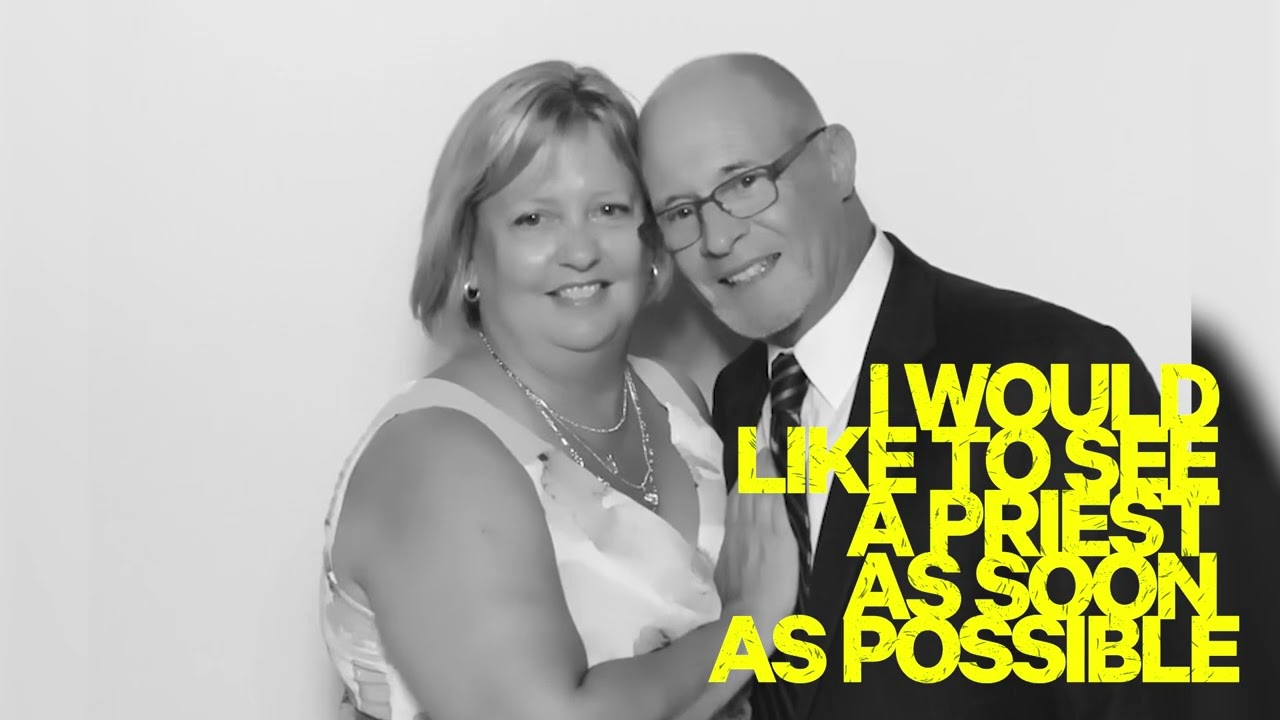
Subsequent films brought in a microbiologist to explain why wipes don't work and why biofilms cannot be broken down at the end of a shift. A real-life roulette wheel, built and filmed, made the point that every time you pick up a shared apron, you're taking a chance on what's living on it. And then we met Bill Schmelzer: a man who contracted MRSA, nearly died, still lives with the consequences twelve years later, and remains one of the most powerful advocates for why this matters. His film is not comfortable viewing. It is not meant to be.
The campaign was distributed through targeted paid placements on LinkedIn and Instagram, and through partnerships with influencers in the rad tech and PCI nursing community: people with genuine credibility and reach within exactly the audiences we needed to move.
The outcome
What we already know is that the campaign succeeded in doing what most healthcare B2B campaigns do not: it made people feel something. The combination of real science, real patients, and deliberately uncomfortable creative produced a response that goes well beyond typical content engagement metrics.
Because facts inform. But the right stories, told in the right way, make people feel, remember and act.
Clean Those Leads is a demonstration of what Made Clear does at its best: strategy, creative, content, digital, distribution, and influencer partnerships, conceived and delivered under one roof. We ask the harder questions first: who are we actually trying to move, what do we need them to feel, and how do we build something that creates real commercial pressure rather than just awareness? That is where Made Clear starts.



TESTIMONIALS

“What stood out most was the creativity. In an industry that can feel really cold, Made Clear are willing to push the boundaries and humanise it, and that matters enormously to use as a brand. Everything proposed was reasonable and considered; we never felt like we were being sold to. I had to trust the process, and it worked. The collaboration was good, the people are good, and I see this as a lifelong relationship, whatever business I’m in, I’ll come back.”
.png)
A Day in the Life of a Lead
Hidden Dangers
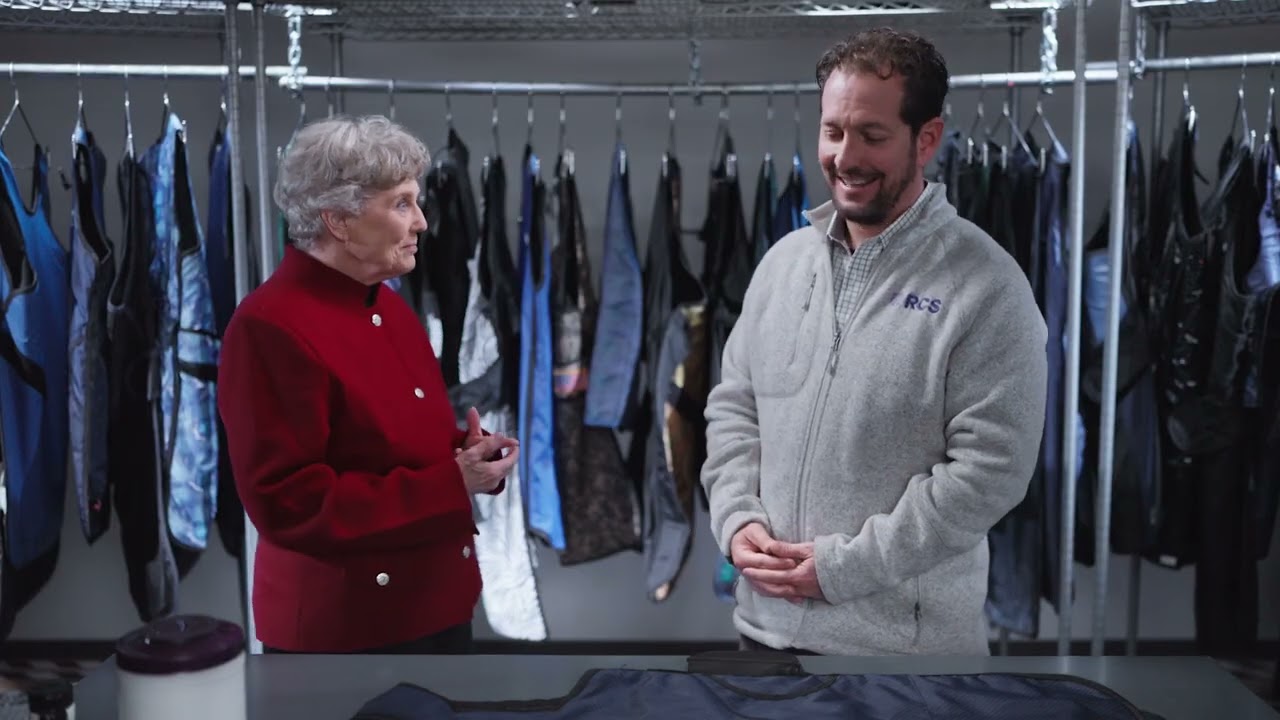
The Dirty Truth
Apron Roulette
Bill’s Story
The Clean Effect
FUrther Case Studies



Make it clear
Describe your cardiology challenge. We'll respond with how we'd approach it.